Spring Parasite Prevention Tips for Buford Pet Owners

Spring Parasite Prevention Tips for Buford Pet Owners
As spring arrives in Buford and the surrounding Georgia communities, pet owners are often eager to spend more time outdoors with their furry companions. Yet, the warmer March weather also marks the return of fleas, ticks, and heartworm-carrying mosquitoes. These parasites can pose significant risks to your dog or cat’s health if not properly managed. At Express Vets Buford, located at 4108 Hamilton Mill Road, Suite 310, Buford, GA 30519, our veterinary team is dedicated to helping you keep your pets safe, comfortable, and parasite-free all year long.
In this blog, we will cover how to recognize the signs of common spring parasites, why these pests become especially active in our region during this season, and what preventive measures you can take at home and with your veterinarian’s guidance. You will also learn when to seek professional help and how our team supports your pet’s health through parasite prevention and control, comprehensive wellness exams, and ongoing care. Let’s work together to ensure your pet enjoys springtime safely and happily.
Recognizing the Signs of Spring Parasites in Your Pet
Spring in Buford brings lush grass, blossoming flowers, and unfortunately, a surge in parasite activity. Many pet owners first notice a problem when their dog or cat displays symptoms such as frequent scratching, chewing at the skin, or small red bumps along the body. Fleas can cause visible discomfort, while ticks may go unnoticed until they swell with blood or are felt during petting.
For cats and dogs, the warning signs that parasites are present include persistent itching, hair loss in patches, visible fleas or flea dirt along the skin, and the presence of ticks attached to the skin, often around the ears, neck, or between toes. Pets may also develop scabs, hotspots, or secondary skin infections from excessive scratching. In the case of heartworm disease, symptoms are often less obvious at first. Dogs may develop a mild, persistent cough, tire easily during exercise, or show decreased appetite and gradual weight loss. Cats may display coughing or labored breathing, vomiting, or sudden collapse in severe cases.
It is important to remember that some pets, especially cats, can harbor parasites like heartworms without showing obvious signs until the disease is advanced. Early detection and routine wellness examinations help catch these issues before complications develop. If you notice any combination of these symptoms, or if your pet seems unwell after time outdoors, reach out to your veterinary professionals promptly.
Why Spring Weather in Buford Increases Parasite Risks
The climate in Buford and much of Georgia creates a perfect environment for parasites to thrive as soon as winter gives way to spring. Warmer temperatures and increased humidity provide ideal breeding conditions for fleas, ticks, and mosquitoes; all three play a role in transmitting dangerous diseases to pets.
Fleas can begin reproducing rapidly as soon as temperatures consistently rise above 65 degrees Fahrenheit, which often happens in March. These pests not only cause discomfort and itching but can also transmit tapeworms and trigger flea allergy dermatitis. Ticks, which are active in wooded areas, tall grasses, and even suburban backyards, are notorious for spreading diseases like Lyme disease and ehrlichiosis. The tick population tends to surge in spring and early summer, increasing the odds that pets will encounter them during walks or playtime outside.
Perhaps most concerning is the resurgence of mosquitoes, which are the exclusive carriers of heartworm larvae. Heartworm disease is widespread in Georgia and can be life-threatening, especially as mosquitoes become more active with each passing week of spring. Mosquitoes can easily enter homes and bite both indoor and outdoor pets, so no animal is completely safe without preventive measures.
The combination of these factors makes springtime a critical season for parasite prevention in Buford and the surrounding communities. Understanding this risk allows pet owners to take timely action and protect their beloved animals year-round.
Professional Treatment and Prevention Options for Parasites
The cornerstone of parasite control is a proactive approach, starting with a visit to your veterinary team for a tailored parasite prevention program. At Express Vets Buford, we offer a range of solutions designed to address the needs of your individual pet based on lifestyle, age, and health history.
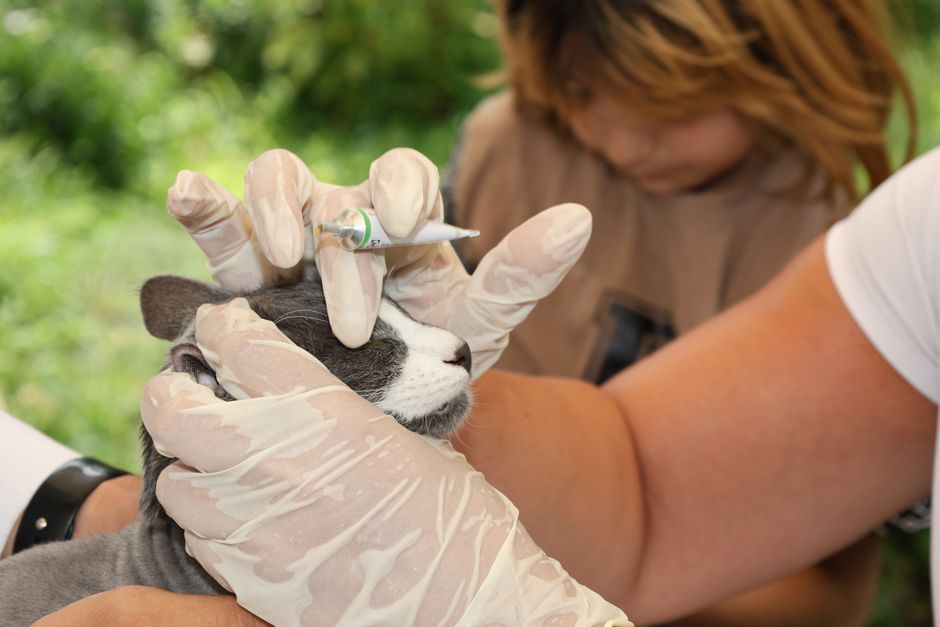
For fleas and ticks, monthly topical or oral preventives are available, which disrupt the parasite’s life cycle and prevent infestations from taking hold. These medications are typically safe, effective, and easy to administer at home with guidance from your veterinarian. Your pet may also benefit from environmental treatments and regular grooming to further reduce risk.
Heartworm prevention is especially important in Georgia. Our veterinary team recommends annual heartworm testing for both dogs and cats, even if they appear healthy. Year-round heartworm preventives, available as chewable tablets or topical solutions, are prescribed based on your pet’s weight and risk factors. These medications work by eliminating immature heartworm larvae before they can mature and cause harm.
If your pet is diagnosed with a parasite-related illness, treatment options involve targeted medications to eliminate the invader and supportive care for any associated symptoms. In cases of flea infestations, for example, your veterinary professionals may prescribe a combination of oral and topical products. For tick-borne diseases, prompt removal of the tick and possible antibiotics are recommended. Heartworm disease in dogs requires specialized treatment and monitoring, while the approach for cats focuses on symptom management and prevention of future infections.
Our primary care veterinary services ensure that you have access to the latest and safest medications, along with the expertise of our veterinarians for ongoing support.
At-Home Prevention Tips for Protecting Your Pet This Spring
While professional veterinary care is essential for parasite prevention, there are many steps you can take at home to further reduce your pet’s risk as spring unfolds in Buford. Consistency is key; make sure to administer any prescribed preventive medications on the exact schedule recommended by your veterinarian. Missing even a single dose can leave your pet vulnerable during the peak parasite season.
Regularly check your pet’s coat and skin, especially after walks in wooded or grassy areas. Run your hands along their body to feel for ticks or unusual bumps, and use a fine-toothed comb to spot flea dirt or live fleas. Immediate removal of any attached ticks, using proper technique and tools, is important to minimize disease transmission.
Maintain a clean environment both inside and outside your home. Washing pet bedding frequently, vacuuming carpets and upholstery, and keeping grass trimmed short can help minimize flea and tick habitats. Outdoor play areas should be monitored for standing water, which attracts mosquitoes, and for overgrown shrubs where ticks may hide.
Limiting your pet’s access to areas known for high parasite activity, such as dense woods or tall grass, can also help. However, remember that even indoor pets are at risk, so comprehensive protection is necessary for all animals, regardless of lifestyle.
If your pet has allergies or sensitive skin, consider discussing allergy testing with your veterinarian. Allergies can sometimes mimic or worsen the symptoms of parasite infestations, so it is wise to differentiate the cause with expert help.
When to Seek Veterinary Care for Parasite Problems
It can be difficult to know when a mild symptom warrants a call to your veterinary team. In general, you should schedule an appointment if your pet develops persistent itching, hair loss, skin sores, or visible parasites that do not resolve quickly. Signs of systemic illness, such as coughing, lethargy, decreased appetite, vomiting, or difficulty breathing, are reasons to seek immediate evaluation, as these can indicate heartworm disease or a severe tick-borne illness.
Yearly wellness examinations are an excellent way to catch early signs of parasite problems before they become severe. Your veterinarian can perform a thorough checkup, recommend the most effective preventive medications, and answer any questions you have about your pet’s seasonal risks.
If your pet starts to act unusually after time outdoors, or if you are unsure about a possible exposure to fleas, ticks, or mosquitoes, it is always better to err on the side of caution and consult with a veterinary professional. Early intervention can prevent complications and help your pet recover quickly.
For pets that appear ill or have sudden changes in behavior, our sick visit services are available to provide prompt diagnosis and treatment.
Keeping Your Pet Safe This Spring: Partner with Express Vets Buford
Spring brings both joy and new challenges for Buford pet owners. By staying vigilant for signs of parasites, understanding the seasonal risks, and following a prevention plan tailored to your pet, you can minimize the threat of fleas, ticks, and heartworms all year long. Our veterinary team at Express Vets Buford is committed to helping your pet thrive, offering comprehensive parasite prevention and control along with ongoing support and guidance.
If you are looking for a "vet near me" who understands the unique needs of pets in Buford and surrounding communities, our team is here to help. Schedule a wellness exam, discuss preventive options, or address any concerns you may have by calling (470) 326-5220 or visiting us at 4108 Hamilton Mill Road, Suite 310, Buford, GA 30519. Your pet’s comfort and wellbeing are always our top priorities.
For more information on seasonal parasite prevention or to book your next visit with our veterinarians, explore our website or reach out today. Together, we can ensure your four-legged family members enjoy a happy, healthy spring.
Medical Disclaimer: This blog is for informational purposes only and does not substitute for professional veterinary advice. Always consult your veterinarian for specific questions or concerns about your pet’s health or parasite prevention.