Is Your Pet Itching? How to Address Skin Issues
Is Your Pet Itching? How to Address Skin Issues
If you have noticed your dog or cat scratching, licking, or losing hair, you are not alone. Pet skin issues are among the most common reasons families seek help from a veterinarian. The discomfort caused by itching in dogs and cats can affect their sleep, mood, and overall quality of life. At Express Vets Buford, our veterinary professionals understand how distressing it can be to watch your beloved companion struggle with persistent skin problems. Located conveniently at 4108 Hamilton Mill Road, Suite 310, Buford, GA 30519, we are here to help pets in Buford and surrounding communities find relief while giving you peace of mind.
In this guide, we will help you recognize the signs of pet skin issues, explore common causes, discuss available treatment options such as dermatology and allergy testing, and offer practical prevention tips. You will also learn when it is time to schedule a visit with our veterinary team for a thorough evaluation. Whether you have searched for a "vet near me" or are looking for pet dermatology in Buford, our team is ready to support your pet’s health journey. If you are concerned about ongoing itching or skin changes, consider a pet examination with our Buford veterinarians to get answers and solutions.
Recognizing Pet Skin Issues: What to Look For
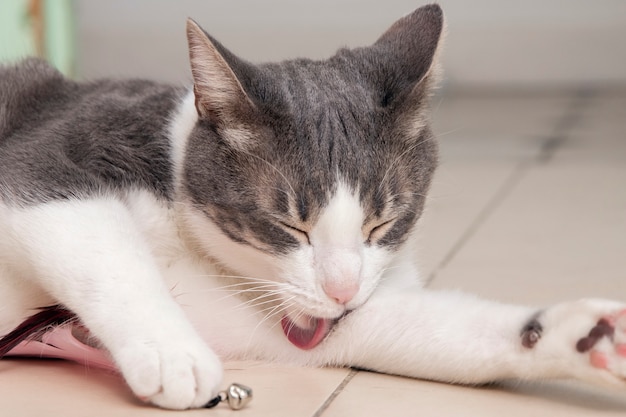
It is not always easy to tell when scratching is just a passing annoyance or a sign of something more serious. However, repeated or intense itching in dogs and cats often points to an underlying skin issue that deserves attention. Key symptoms include frequent scratching, biting, or licking at certain areas. You might also notice hair loss, redness, scabs, bald patches, or even open sores. For some pets, the skin may feel greasy, have a foul odor, or develop thickened, darkened patches. Other signs are ear infections, head shaking, or excessive grooming—especially in cats.
When these symptoms persist for more than a few days or seem to worsen, it is a signal that your pet may need professional care. Seasonal flare-ups are common in Buford and surrounding areas, particularly during the humid spring and summer months when allergens and parasites are more active. If you are searching for pet skin care near me or want to know if your pet’s symptoms are normal, remember that early recognition is key to preventing complications and ensuring your pet remains comfortable.
How Itching Affects Your Pet’s Wellbeing
Beyond the visible signs, ongoing skin irritation can disrupt your pet’s sleep, appetite, and mood. Many pets become restless, anxious, or irritable if their itching is not addressed. In severe cases, untreated skin issues can lead to infections that require more extensive treatment. If you notice your pet is losing interest in play or seems less energetic, consider whether skin discomfort could be contributing to these changes.
Causes of Skin Issues in Dogs and Cats
Understanding what triggers pet skin issues can help guide both treatment and prevention. The most common causes include external parasites such as fleas and mites, which are especially prevalent in the warm, humid climate of Buford. Allergies are another frequent culprit; some pets react to pollen, dust, or mold, while others develop sensitivities to certain foods or grooming products.
Bacterial or yeast infections often develop when the skin’s protective barrier is compromised by scratching, moisture, or underlying conditions. Additionally, breeds with skin folds or thick coats may be more prone to certain problems. Environmental factors, such as exposure to irritants in the yard or changes in household cleaning products, can also play a role. Sometimes, hormonal imbalances or immune system issues are at the root of chronic skin discomfort.
Why Are Skin Problems So Common in Buford?
Pets living in Buford and the surrounding communities face unique environmental challenges. The region’s warm temperatures and high humidity create ideal conditions for fleas, ticks, and other parasites. Local plants and grasses can introduce allergens that trigger itching in dogs and cats, especially during peak pollen seasons. Even indoor pets are not immune, as dust mites and household molds can contribute to persistent skin irritation. By recognizing the factors at play in your area, you can take proactive steps to minimize your pet’s risk.
Treatment Options: How Express Vets Buford Can Help
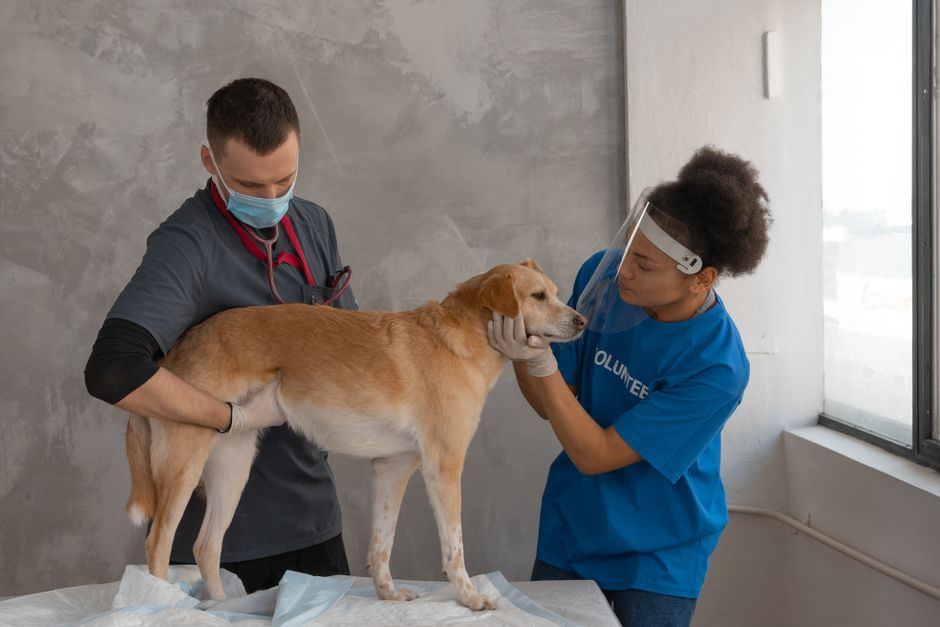
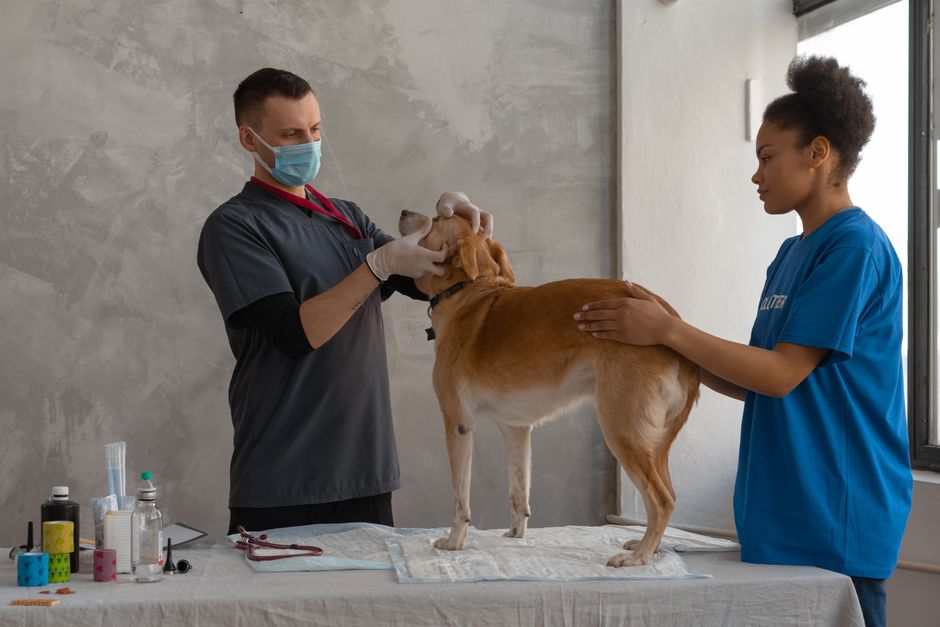
Addressing pet skin issues requires a tailored approach, as the right treatment depends on your pet’s specific symptoms and underlying cause. At Express Vets Buford, our veterinarians start with a thorough examination to identify the source of your pet’s discomfort. This may involve checking for parasites, evaluating skin and coat condition, and asking about your pet’s diet and environment.
When allergies are suspected, allergy testing services for pets can help pinpoint triggers such as food ingredients or environmental allergens. For many pets, managing allergies involves a combination of dietary changes, targeted medications, or special shampoos. If infections are present, your veterinarian may recommend topical or oral treatments to clear up bacteria or yeast.
Our dermatology services for pets offer advanced options for diagnosing and treating complex skin conditions. This might include cytology (examining skin cells under a microscope), culture and sensitivity testing to find the most effective antibiotics, or prescription skin care routines for chronic cases. For acute flare-ups, sick pet visit services ensure your pet receives prompt relief and support.
What to Expect During Your Visit
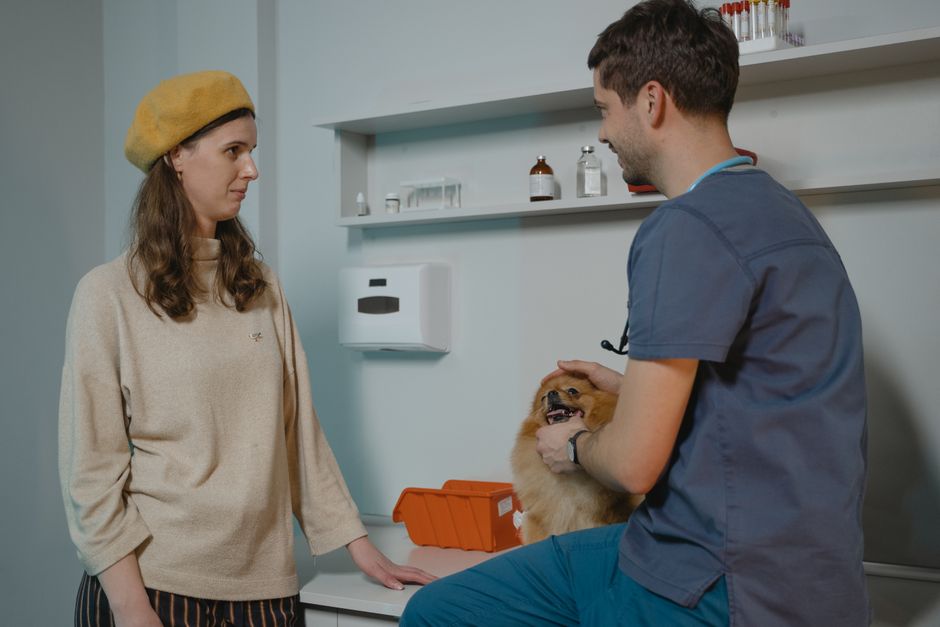
During your appointment, our veterinary team will listen to your concerns, perform a hands-on exam, and explain the next steps in clear, compassionate language. Diagnostics may be recommended to rule out internal illness or to confirm a suspected allergy. Together, we will create a personalized treatment plan to provide both immediate relief and long-term management. Our goal is to support your pet’s health and comfort every step of the way, ensuring you always have access to quality pet dermatology in Buford.
Prevention and Home Care for Pet Skin Health
While not all skin issues can be prevented, there are many steps you can take at home to support your pet’s skin and coat. Consistent flea and tick prevention is essential in Buford, where parasites thrive nearly year-round. Regular grooming helps remove dead hair and debris while allowing you to spot early signs of trouble. Bathing your pet with a veterinarian-recommended shampoo can soothe irritated skin and reduce allergens, but avoid over-bathing, as this can dry out sensitive skin.
Feeding a balanced diet with the right nutrients supports a healthy skin barrier. For pets with known allergies, maintaining a hypoallergenic environment—such as washing bedding in hot water, using air purifiers, and choosing allergen-free cleaning products—can reduce exposure to triggers. Monitoring your pet’s skin weekly for new bumps, sores, or areas of hair loss is another proactive way to catch problems early.
When Home Care Is Not Enough
If your pet’s symptoms persist despite these efforts, or if you notice signs such as intense scratching, bleeding, or sudden hair loss, it is time to seek professional care. Some conditions, like mange or deep infections, require prescription medications and veterinary oversight. Early intervention not only brings your pet relief faster but can also prevent minor issues from developing into more serious health problems.
When to Schedule a Veterinary Visit for Skin Issues
Knowing when to seek help is crucial for your pet’s wellbeing. You should schedule an appointment with your veterinary team if your pet’s itching is constant or severe, if there are raw or bleeding patches, or if you see signs of infection such as pus, swelling, or foul odor. Additional warning signs include sudden hair loss, persistent ear infections, or changes in your pet’s appetite and behavior.
For ongoing or recurrent symptoms, a comprehensive pet exam in Buford can uncover chronic conditions or allergies that require ongoing management. Our veterinarians also recommend prompt evaluation if your pet is very young, elderly, or has a known immune system condition, as these pets may be more vulnerable to complications. If you have searched for "pet dermatology in Buford" or "veterinary services near me" and are unsure where to turn, our team is here to provide guidance and support.
The Importance of Early Intervention
Timely veterinary care makes a significant difference in the outcome of pet skin issues. Addressing problems before they escalate means less discomfort for your pet and often a simpler, more affordable solution for you. Our veterinary professionals are committed to diagnosing the root cause of your pet’s itching in dogs and cats, so you can enjoy more happy, comfortable moments together.
Supporting Your Pet’s Skin Health in Buford and Beyond
Skin issues can be frustrating for both pets and their families, but you do not have to solve them alone. At Express Vets Buford, we are passionate about helping pets thrive with healthy skin and shiny coats. Whether you need dermatology expertise for your pet’s skin problem, are interested in allergy testing services, or want to schedule a thorough pet examination in Buford, our veterinarians are ready to help.
If you are searching for a "vet near me" who can address pet skin issues in Buford and surrounding communities, call us at (470) 326-5220 to schedule an appointment, or visit our clinic location today. We are dedicated to providing quality veterinary services near you and building lasting partnerships with pet families. Do not let itching disrupt your pet’s happiness—reach out to our veterinary team for personalized care and reliable answers.
This blog is intended for informational purposes only and does not replace individualized veterinary advice. If you have concerns about your pet’s health, always consult with your veterinarian for a diagnosis and treatment plan. For more information on pet skin issues, visit reputable sources such as the American Veterinary Medical Association or the Cornell University College of Veterinary Medicine.