How Do Cats Get Ear Infections? Common Causes Explained
How Do Cats Get Ear Infections? Common Causes Explained
If you’ve noticed your cat scratching at their ears, shaking their head, or seeming uncomfortable, you might be wondering: how do cats get ear infections? Ear problems are a common concern for cat owners in Buford and surrounding communities, especially as seasonal allergies, humidity, and outdoor adventures can all contribute to irritated or infected ears. At Express Vets Buford, our team of veterinarians is dedicated to helping your feline friend stay healthy and comfortable all year long. In this blog, we’ll explore the most common reasons cats develop ear infections, the warning signs you should watch for, and how your local Buford veterinary clinic can help. You’ll also find practical advice for preventing future issues and learn when it’s time to schedule an appointment at our welcoming clinic at 4108 Hamilton Mill Road, Suite 310, Buford, GA 30519.
Recognizing the Signs of Ear Infections in Cats
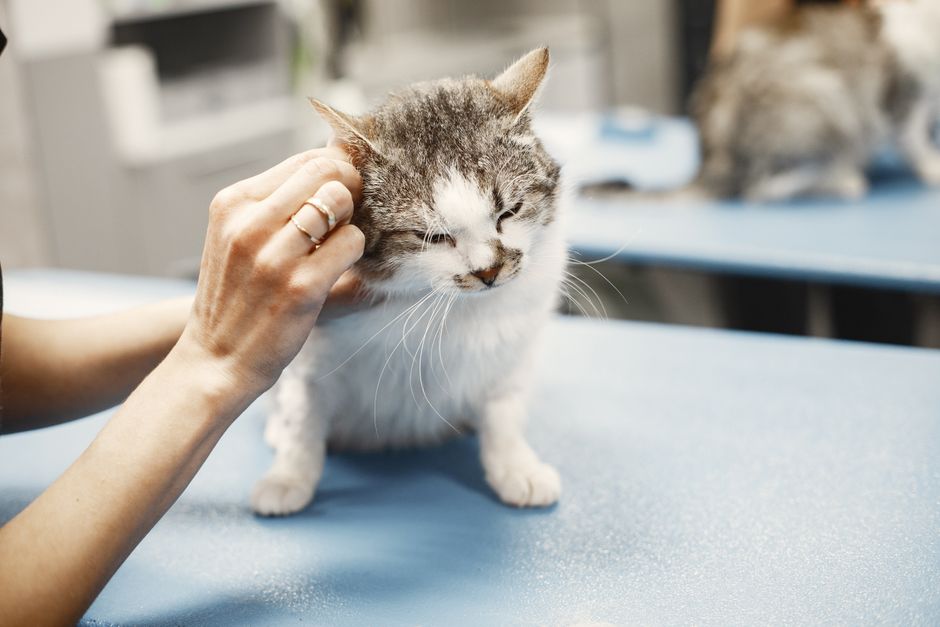
Cats are masters at hiding discomfort, but attentive pet owners can often spot subtle signs that something is wrong. Ear infections can range from mild irritation to more severe inflammation or even hearing loss if left untreated. Typical symptoms include frequent scratching or pawing at the ears, head shaking, and tilting the head to one side. You might notice redness or swelling inside the ear flap, a dark or yellowish discharge, or even a foul odor coming from the ear. Some cats become sensitive to touch around their ears or may seem irritable and withdrawn.
If your cat’s ear infection is more advanced, you may also see balance problems or changes in how they walk. Cats with chronic ear issues might develop thickened or crusty skin around the ear canal. Because many other conditions can mimic the signs of ear infections, it’s important to seek a veterinary evaluation if you notice any of these symptoms. Our veterinary dermatology services at Express Vets Buford are designed to diagnose and address a wide range of ear and skin problems with accuracy and compassion.
How Do Cats Get Ear Infections? Understanding the Root Causes
So, how do cats get ear infections in the first place? While ear infections in cats are not as common as in dogs, they can still occur for several reasons. The most frequent culprit is the presence of ear mites, especially in kittens and cats who spend time outdoors or in multi-cat environments. Ear mites are tiny parasites that cause intense itching and inflammation, leading to secondary bacterial or yeast infections if left unchecked.
Beyond parasites, allergies are a major factor in feline ear infections. Cats can develop sensitivities to pollen, dust mites, food ingredients, or even cleaning products used in the home. Allergic reactions often cause inflammation in the ear canal, which creates a moist, warm environment where bacteria and yeast thrive. You can learn more about how we identify underlying causes of ear irritation with our allergy testing services.
Other contributing factors include foreign material such as grass seeds or debris lodged in the ear canal, which can introduce bacteria and cause trauma. Underlying health conditions like diabetes or immune system disorders may also make a cat more susceptible to infections. In rare cases, growths such as polyps or tumors within the ear canal can obstruct normal drainage and set the stage for chronic problems.
How Buford Veterinarians Diagnose and Treat Cat Ear Infections
When you bring your cat to Express Vets Buford for an ear concern, our veterinary team will start with a gentle, thorough examination of the ears and overall health. We’ll ask about your cat’s recent behavior, exposure to other animals, outdoor activities, and any previous ear problems. Diagnosis usually involves using a special instrument called an otoscope to look deep into the ear canal and check for signs of inflammation, discharge, foreign objects, or ear mites.
In many cases, we’ll recommend collecting a sample of ear debris for microscopic analysis. This allows us to determine if bacteria, yeast, or parasites are present and helps guide the most effective treatment plan. Treatment approaches involve carefully cleaning the affected ear, addressing any underlying causes, and prescribing appropriate medications. For bacterial infections, antibiotic ear drops or ointments may be used; for yeast infections, antifungal medications are prescribed. If ear mites are detected, a specific anti-parasitic medication will be recommended.
Managing allergies that contribute to recurrent infections may involve dietary changes, environmental adjustments, or targeted therapy based on your cat’s specific triggers. Our sick visit services are available to evaluate your cat whenever you notice symptoms of ear discomfort or infection.
Preventing Ear Infections in Your Cat: Home Care and Proactive Steps
While some ear infections in cats are unavoidable, many can be prevented with simple home care and regular veterinary visits. Keeping your cat’s environment clean and reducing their exposure to allergens such as dust, pollen, and harsh cleaning products can lower the risk of irritation. If your cat spends time outdoors or lives with other animals, routine parasite prevention is especially important. Our parasite prevention and control services can help protect your cat from ear mites and other common pests.
Regularly inspecting your cat’s ears at home allows you to catch problems early. Look for signs of redness, swelling, or unusual discharge, and gently clean the outer ear with a pet-safe solution if your veterinarian recommends it. Avoid inserting cotton swabs or any objects deep into the ear canal, as this can cause injury. For cats with a history of allergies, work with our veterinary team to identify and manage triggers before they lead to ear inflammation.
Scheduling routine wellness exams gives our veterinarians an opportunity to check your cat’s ears and address any minor issues before they become more serious. By staying proactive, you can help keep your feline companion comfortable and infection-free.
When Should You See a Veterinarian for Your Cat’s Ears?
It’s natural to want to help your cat at home, but some situations require prompt veterinary attention. If your cat is shaking their head persistently, scratching their ears excessively, or showing signs of pain, don’t wait to schedule a visit. Additional red flags include persistent odor, dark or pus-like discharge, swelling, bleeding, or any changes in balance or behavior.
Chronic or recurrent ear infections often indicate an underlying problem that needs professional evaluation, such as allergies or immune system concerns. Cats with other health issues or those who are elderly may also be at higher risk for complications. Our team at Express Vets Buford is here to provide thorough diagnostics and compassionate care right here in our Buford clinic.
If you’re searching for a "vet near me" who understands the unique needs of cats and can provide tailored treatment, you’ll find that our veterinarians are equipped to help with both urgent ear issues and ongoing preventive care.
Supporting Your Cat’s Ear Health at Express Vets Buford
Understanding how do cats get ear infections is the first step toward keeping your feline friend healthy and comfortable. By recognizing the warning signs, addressing the underlying causes, and working closely with your trusted veterinary team, you can give your cat the best possible care. Whether your cat is struggling with itchy ears, chronic infections, or you simply want to prevent problems before they start, our team at Express Vets Buford is committed to supporting you every step of the way.
We encourage you to schedule an appointment if you notice any changes in your cat’s ears, behavior, or comfort; prompt care helps prevent complications and speeds up recovery. To learn more or book your visit, call us at (470) 326-5220 or stop by our convenient location at 4108 Hamilton Mill Road, Suite 310, Buford, GA 30519. For additional information on veterinary dermatology services, allergy testing, parasite prevention and control, or sick visits, our website is always available as a resource.
Your cat’s comfort and health are our highest priorities. When looking for trustworthy answers about how do cats get ear infections or searching for a veterinarian near me in Buford, Express Vets Buford is here to help your four-legged family members thrive.