How Do Cats Get Ear Infections? Causes, Symptoms, and Care
How Do Cats Get Ear Infections? Causes, Symptoms, and Care
When your cat starts shaking their head or scratching at their ears, it’s natural to worry about what could be causing their discomfort. Many pet owners find themselves asking, "How do cats get ear infections?"—especially if their feline friend has never had this problem before. At Express Vets Buford, located at 4108 Hamilton Mill Road, Suite 310, Buford, GA 30519, we often see cats from Buford and surrounding communities experiencing ear issues that range from mild irritation to more serious infections. In this blog, we’ll explore what causes ear infections in cats, the signs you should look out for, how these infections are treated, and what steps you can take to prevent them. Our goal is to help you keep your cat comfortable and healthy all year round, whether you’re dealing with a new concern or looking to prevent future problems. If you ever notice changes in your cat’s behavior or health, our veterinary team is always here to help with comprehensive care and advice.
Recognizing Ear Infections in Cats: What Symptoms Should You Watch For?
Cats are experts at hiding their discomfort, so ear infections can sometimes go unnoticed until the problem has progressed. Owners often first spot subtle changes in their cat’s behavior that signal something isn’t right. Signs of a possible ear infection include frequent head shaking, scratching or pawing at the ears, and visible redness or swelling around the ear canal. Some cats might tilt their head to one side or seem off balance, especially if the infection affects their inner ear. You may also notice an unusual odor coming from the ears, dark or yellowish discharge, or scabs and hair loss around the ear area due to persistent scratching. In more advanced cases, cats may become irritable, less interested in food, or withdraw from family members because of the pain. Any combination of these symptoms should prompt a closer look and, if they persist, a visit to your veterinarian for a thorough wellness examination.
How Do Cats Get Ear Infections? Understanding the Causes
Ear infections in cats are less common than in dogs, but when they do occur, they can be stubborn and uncomfortable. So, how do cats get ear infections? The root causes are often multifaceted, and understanding them can help you prevent future episodes.
The most frequent culprits are parasites, such as ear mites, which are especially common in kittens and outdoor cats. Ear mites cause intense itching and inflammation, creating the perfect environment for secondary bacterial or yeast infections to develop. Allergies also play a significant role; whether your cat is sensitive to certain foods or environmental factors like pollen or dust, these allergies can trigger skin changes, leading to inflammation and infections in the ears.
Underlying health conditions, including diabetes, immune disorders, or skin diseases, can make your cat more susceptible to infections. Physical factors such as excessive hair in the ear canal, trapped moisture after bathing, or foreign bodies like grass seeds can also lead to problems. In rare cases, growths or polyps inside the ear canal may be the underlying issue. Our dermatology services include a thorough evaluation of both the skin and ear canal, helping us pinpoint the exact cause of your cat’s discomfort.
Seasonal changes in Buford and the surrounding areas can also influence your cat’s risk of ear infections. Humid summers often increase moisture and the likelihood of parasite exposure, making regular ear checks especially important during these times.
How Ear Infections Are Treated: What to Expect at the Vet
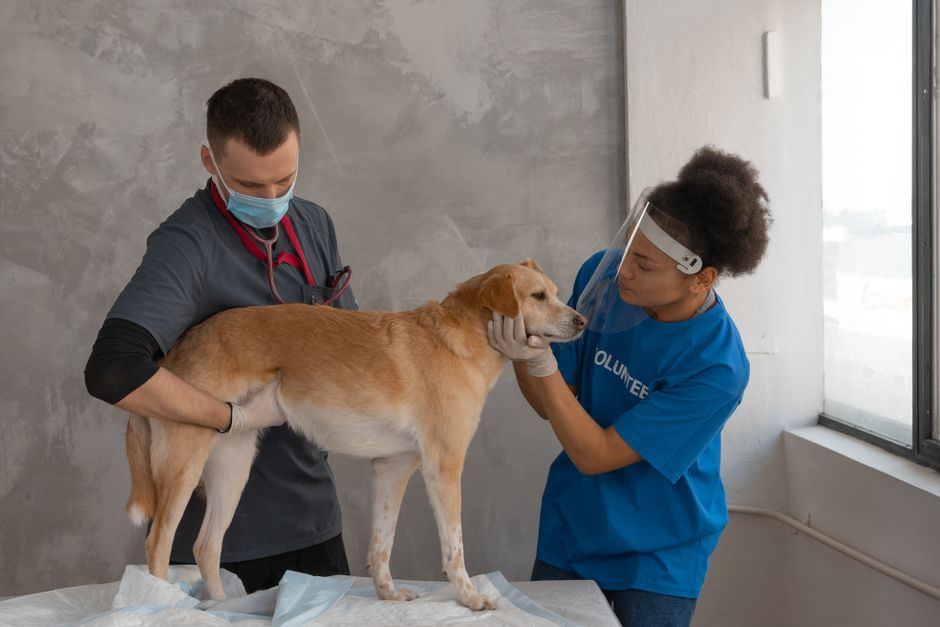
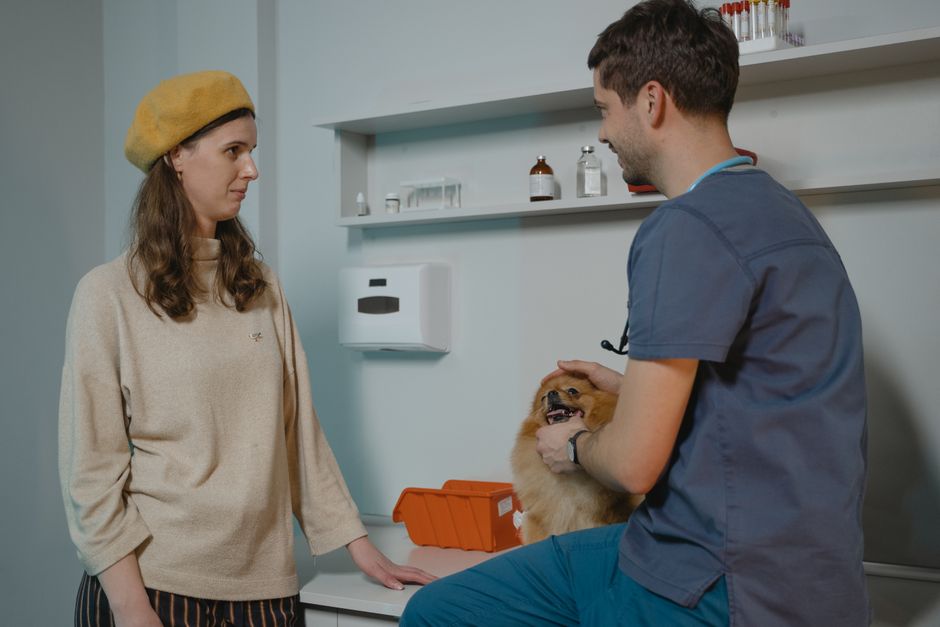
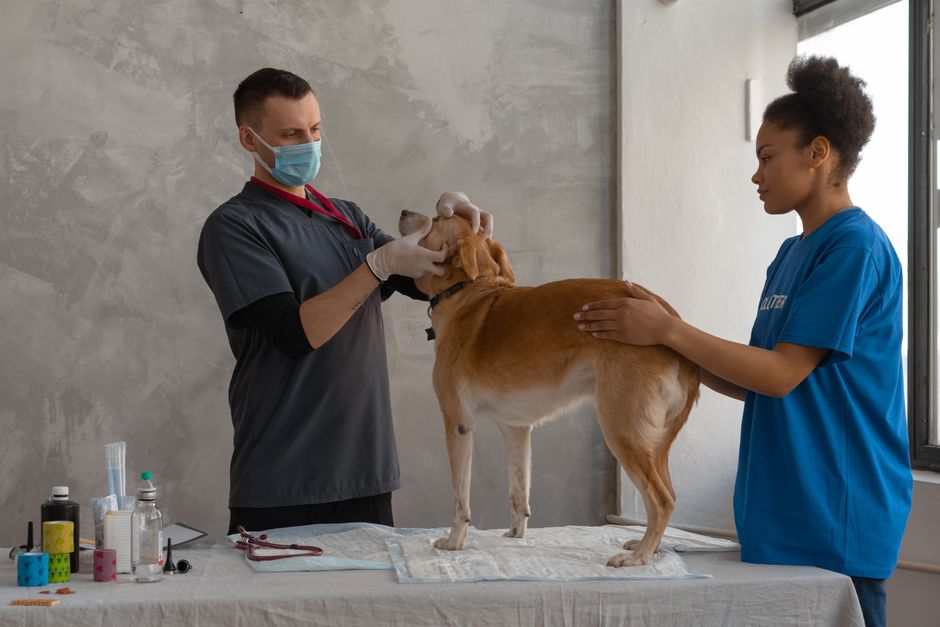
If you suspect your cat has an ear infection, scheduling an appointment with our veterinary team is the best first step. When you bring your cat to Express Vets Buford for a sick visit, our veterinarians will begin with a detailed history and physical examination. We may use an otoscope to look deep into the ear canal, checking for debris, discharge, swelling, or foreign objects. In some cases, a swab of the ear discharge will be taken and analyzed under a microscope to identify whether bacteria, yeast, or mites are present.
Treatment approaches depend on the underlying cause. If ear mites are discovered, a series of topical or oral medications will be prescribed to eliminate the parasites and soothe inflammation. For bacterial or yeast infections, appropriate ear drops or oral medications are selected based on the type of infection and its severity. In more persistent cases, a combination of cleaning, anti-inflammatory medication, and ongoing monitoring may be necessary. Our primary care services are designed to manage these conditions thoroughly, with follow-up visits to ensure your cat’s ears are healing as expected.
If allergies are identified as a contributing factor, we may recommend further evaluation through allergy testing and suggest strategies to reduce your cat’s exposure to triggers. For cats with recurring infections, advanced diagnostics or referral to a specialist may be discussed, but most cases can be managed effectively within a general practice setting.
It’s important to note that home remedies and over-the-counter treatments are not recommended unless specifically directed by your veterinarian; incorrect treatment can worsen the infection or cause additional complications.
Preventing Ear Infections and Caring for Your Cat’s Ears at Home
Prevention is always preferable to treatment, and there are several steps you can take to help protect your cat from ear infections. Regular ear checks at home, especially after outdoor adventures or during humid weather, allow you to spot redness, debris, or signs of irritation early. Gently wiping the outer ear with a soft, damp cloth can help keep ears clean, but avoid inserting anything into the ear canal unless specifically instructed by your veterinarian.
Keeping your cat’s environment clean and free of parasites is another crucial step. Using vet-recommended parasite prevention and control products will reduce the risk of ear mites and other pests. If your cat is prone to allergies, try to identify and minimize exposure to known triggers, whether they are related to diet, dust, or pollen.
Routine wellness exams are one of the most effective ways to catch early signs of ear problems and address them before they become more serious. Our veterinary team can demonstrate how to perform gentle ear checks and discuss any concerns you may have about your cat’s ears or general health.
When to Seek Veterinary Care for Your Cat’s Ears
Knowing when to seek professional help is key to preventing complications from ear infections. If you notice persistent head shaking, excessive scratching, discharge, foul odor, swelling, or pain when touching your cat’s ears, it’s time to make an appointment. Sudden changes in behavior, loss of balance, or a head tilt are signs that the infection may have reached the inner ear and require urgent attention.
Chronic or recurring ear infections may indicate an underlying problem that needs to be addressed with the support of your veterinarian. Even mild symptoms shouldn’t be ignored, as untreated ear infections can lead to hearing loss or deeper health concerns. If you’re ever in doubt, our team at Express Vets Buford is here to offer guidance and care.
Keeping Your Cat’s Ears Healthy: Local Support from Express Vets Buford
Ear infections can be distressing for both cats and their owners, but with prompt recognition and the right care, most cats recover fully and comfortably. By understanding how do cats get ear infections and staying proactive with regular ear checks, parasite prevention, and wellness exams, you can greatly reduce your cat’s risk of future problems. Remember, our veterinary professionals at Express Vets Buford are always ready to support you—whether you’re coming in for a routine checkup or addressing a specific concern.
If you’re searching for a veterinarian near me who understands the unique needs of cats in Buford and surrounding communities, our wellness examination and primary care services offer comprehensive solutions. To schedule an appointment or discuss your cat’s health, call us at (470) 326-5220 or visit us in person at 4108 Hamilton Mill Road, Suite 310, Buford, GA 30519. Your cat’s comfort and health are our top priorities, and we look forward to partnering with you to keep their ears—and the rest of them—happy and healthy.
This article is intended for informational purposes only and should not be used as a substitute for professional veterinary care. Always consult your veterinarian if you have concerns about your pet’s health or notice changes in their behavior.