How Do Cats Get Ear Infections? Causes and Prevention
How Do Cats Get Ear Infections? Causes and Prevention
Ear infections in cats can be both uncomfortable and distressing for your feline companion. If you’ve noticed your cat shaking their head or scratching at their ears, you might be wondering, “How do cats get ear infections?” At Express Vets Buford, our team regularly helps pet owners throughout Buford and surrounding communities understand and manage these common issues. In this blog, we’ll explore how ear infections develop in cats, the signs you should watch for, proven prevention tips, and what to expect from a veterinary visit. With Buford’s hot, humid summers, local cats are especially susceptible, making it even more important to stay informed and proactive about ear health.
Whether your cat is showing subtle symptoms or you simply want to learn how to prevent ear infections before they start, this guide will give you practical, veterinarian-approved advice. We’ll also cover when it’s time to schedule an appointment at our Buford clinic, and how our comprehensive dermatology services can help your cat feel comfortable again.
Recognizing Cat Ear Infections: Key Symptoms and When to Worry
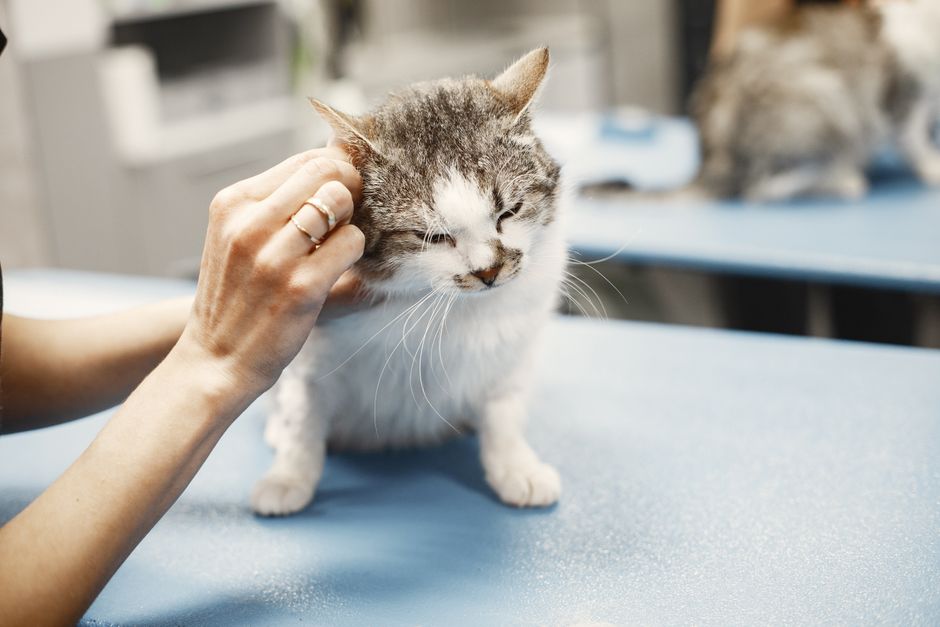
Understanding the early signs of ear infections in cats is crucial for timely intervention. Often, the most noticeable symptoms include frequent scratching or pawing at one or both ears, head shaking, and tilting the head to one side. You might also observe redness, swelling, or a dark, waxy discharge in the ear canal. In some cases, a foul odor may develop, and your cat might shy away from having their ears touched or show a change in behavior due to discomfort.
Other signs to watch for are persistent ear rubbing on furniture or the floor, excessive grooming of the head and neck, or vocalizing when the ears are handled. These symptoms can vary in intensity; some cats may only show mild irritation, while others develop severe inflammation or even balance problems if the infection affects the deeper structures of the ear. If your cat seems off-balance, has trouble walking, or appears lethargic, this could indicate a more serious issue that requires urgent veterinary attention.
Because ear infections can worsen quickly, especially in our warm, humid climate, it’s important to schedule a wellness examination if you notice any of these signs. Early detection and treatment help prevent complications and provide comfort for your cat.
How Do Cats Get Ear Infections? Common Causes Explained
Many pet owners ask, “How do cats get ear infections, and what puts my cat at risk?” Ear infections, known medically as otitis externa or otitis media depending on the area affected, can develop for several reasons. The most frequent cause in cats is the presence of ear mites, which are tiny parasites that irritate the ear canal and create an environment ripe for infection. These mites are especially common in kittens or cats that go outdoors but can affect any feline.
Other causes include allergies to environmental substances such as pollen, dust, or mold, as well as reactions to certain foods. Allergies often lead to inflammation and increased wax production, setting the stage for bacteria or yeast to thrive. In Buford, where pollen counts can soar during the spring and summer, allergy-related ear problems are not uncommon. For cats with chronic skin issues, underlying dermatological conditions may also play a role in repeated ear infections.
Less commonly, foreign objects like grass seeds or debris can become lodged in the ear canal, causing irritation and infection. Certain breeds with narrow or hairy ear canals, such as Persians or Himalayans, may be at greater risk due to poor air circulation and trapped moisture. Finally, trauma from excessive scratching, bathing, or improper ear cleaning can damage the delicate tissues inside the ear, making it easier for infection to take hold.
Treatment Options: How Veterinarians Address Cat Ear Infections
Once you recognize the signs and wonder, “How do cats get ear infections treated?” it’s time to consult your veterinarian. At Express Vets Buford, our team of veterinarians takes a thorough approach to diagnosing and managing ear infections in cats. The process typically begins with a comprehensive ear exam, during which we use an otoscope to look deep into the ear canal. We may also take samples of discharge or debris for microscopic analysis, which helps identify the presence of ear mites, bacteria, or yeast.
Treatment depends on the underlying cause. For ear mite infestations, your cat will need a series of prescription medications to eliminate the parasites. Bacterial or yeast infections usually require topical ear drops or ointments, which may contain antibiotics, antifungal agents, or anti-inflammatory medications. For cats with allergies, managing the underlying allergic condition is essential; this may involve changes to their environment, diet, or the use of allergy medications. If you suspect allergies, our allergy testing services can help pinpoint the trigger.
In cases where a foreign body is present, your veterinarian may need to carefully remove it under sedation. Severe or chronic infections might require oral medications or even advanced imaging if the middle or inner ear is involved. Throughout treatment, it’s important to follow your veterinarian’s instructions closely and complete all medications, even if your cat seems to be feeling better after a few days. This helps prevent recurrence and ensures full recovery.
Preventing Ear Infections: Home Care Tips and Professional Support
Prevention is always better than cure, especially when it comes to ear infections in cats. Simple steps can go a long way in protecting your cat’s ear health. Regularly monitoring your cat’s ears for dirt, wax buildup, or unusual odor allows you to catch problems early. For cats prone to waxy or dirty ears, gentle cleaning with a veterinarian-approved ear cleaner once or twice a month can help maintain a healthy environment; always ask your veterinary team for guidance before starting any ear cleaning routine.
Keeping your cat indoors or supervising outdoor time reduces the risk of exposure to ear mites and environmental allergens. If your cat has known allergies, work with your veterinarian to identify and manage triggers, which may include adjusting their diet, using air purifiers, or limiting exposure to certain plants or dust. Good flea and parasite control is essential as well, since parasites like ear mites and fleas often go hand in hand. Our parasite prevention and control services offer comprehensive solutions to keep your cat protected year-round.
For cats with chronic skin or ear issues, regular checkups and ongoing dermatology support can help manage flare-ups and reduce the risk of secondary infections. It’s also wise to avoid over-bathing or using harsh shampoos, as these can dry out the skin and disrupt the natural protective barrier of the ear canal. If you notice any changes in your cat’s behavior or appearance, scheduling a veterinary appointment promptly can prevent minor irritations from turning into major problems.
When to Seek Veterinary Care for Your Cat’s Ears
While some mild ear issues may improve with basic care, most true ear infections require professional treatment. You should contact your veterinarian if you observe persistent scratching, head shaking, redness, swelling, discharge, or any signs of pain. Sudden changes in behavior, such as hiding, decreased appetite, or sensitivity around the head, also warrant attention. Cats with chronic or recurring ear problems may need additional diagnostic testing to identify underlying causes.
Prompt veterinary care is especially important if your cat is a senior, a kitten, or has a history of allergies or immune issues, as these pets can develop complications more quickly. If you’re searching for a “vet near me” who understands the unique needs of Buford cats, our team at Express Vets Buford is here to provide compassionate, thorough care. Early intervention not only relieves your cat’s discomfort but also prevents long-term damage to the ear canal or hearing.
Keeping Your Cat Comfortable: Local Support for Ear Health
Ear infections can disrupt your cat’s happiness and quality of life, but with timely recognition, preventive care, and veterinary expertise, you can keep your feline companion healthy and comfortable. Understanding how cats get ear infections, especially in the warm, humid climate of Buford, helps you stay alert to changes and act quickly if problems arise. From routine wellness examinations to advanced dermatology services, the veterinary team at Express Vets Buford is dedicated to supporting your cat’s long-term well-being.
If you notice any signs of ear discomfort or want to discuss prevention strategies tailored to your pet’s lifestyle, we encourage you to reach out. Schedule an appointment with our knowledgeable veterinarians by calling (470) 326-5220 or visiting our convenient Buford location. When looking for a veterinarian near me that truly cares about your cat’s comfort, Express Vets Buford is here to help every step of the way.
This blog is intended for informational purposes only and should not replace professional veterinary care. If your cat is experiencing ear problems, please consult your veterinarian for an accurate diagnosis and tailored treatment plan.