Discharge in Cat Ears: Causes, Symptoms, and When to See Your Vet
Discharge in Cat Ears: Causes, Symptoms, and When to See Your Vet
If you have noticed discharge in your cat’s ears, you are not alone. Ear discharge in cats is a common concern among pet owners, especially during Buford’s humid August months when moisture and allergens can increase the risk of ear problems. Understanding what +discharge cat ear means, what causes it, and when to seek veterinary care is essential for keeping your cat comfortable and healthy. In this blog, we will discuss the signs and causes of ear discharge in cats, explore treatment and prevention options, and explain when it is time to schedule a visit with our experienced team at Express Vets Buford. Our veterinary professionals are here at 4108 Hamilton Mill Road, Suite 310, Buford, GA 30519 to help ensure your cat’s ears stay healthy all year round.
Recognizing the Signs of Ear Discharge in Cats
Ear discharge in cats can be subtle at first, but there are several signs that may indicate a developing problem. Common symptoms include a visible accumulation of wax, pus, or debris in the ear canal; an unpleasant odor coming from your cat’s ears; and dark, brown, or yellowish material on the ear flap or around the ear opening. Cats may also shake their heads frequently or scratch at their ears due to discomfort. You might notice scabs or hair loss near the ears, or see your cat tilting its head to one side. Sometimes, discharge is accompanied by redness, swelling, or sensitivity when you touch your cat’s ears. If you notice any of these symptoms, especially if your cat seems distressed or the discharge persists, it is important to take the issue seriously and consider scheduling a wellness examination to have your cat evaluated by a veterinary professional.
What Causes Discharge in Cat Ears?
There are several reasons why a cat might develop ear discharge, and understanding the cause is key to proper treatment. One of the most common culprits is ear mites, tiny parasites that thrive in the warm, dark environment of the ear canal. Ear mite infestations often produce a dry, crumbly, dark brown or black discharge that resembles coffee grounds. Bacterial or yeast infections are another frequent cause, especially in humid climates like Buford’s, where moisture can promote the growth of microbes. Infections may lead to thick, smelly, yellow or brown discharge and cause noticeable discomfort.
Allergies can also play a role. Cats with food or environmental allergies may develop inflamed, itchy ears that produce excess wax or fluid as a protective response. Polyps, benign growths in the ear canal, are less common but can block proper drainage and lead to persistent discharge. Foreign objects, such as grass seeds or bits of debris, can sometimes become lodged in the ear, causing irritation and subsequent discharge. Finally, trauma or underlying skin conditions can disrupt the normal balance of the ear, leading to secondary infections and discharge. If you are unsure about the cause of your cat’s ear issue, our dermatology services can help identify and address underlying skin and ear health concerns.
How is +Discharge Cat Ear Treated in Buford?
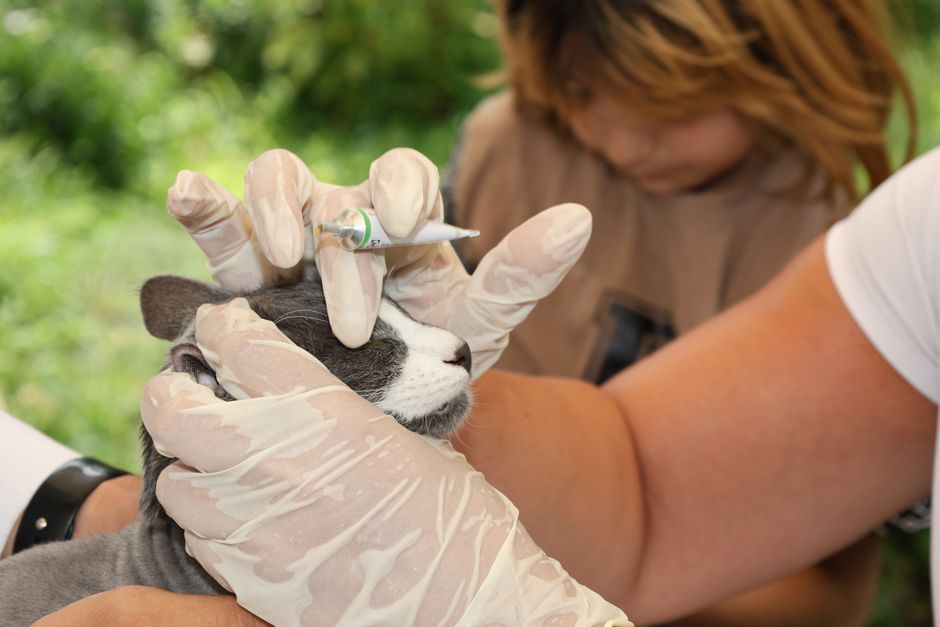
Treatment for discharge in cat ears depends on the underlying cause. The first step is an accurate diagnosis, which our veterinary team at Express Vets Buford can provide through a thorough ear examination and diagnostic testing. For ear mite infestations, prescription topical or oral medications are used to eliminate the parasites. Bacterial or yeast infections require specific ear drops or ointments containing antibiotics or antifungal agents to clear up the infection. If allergies are suspected, our veterinarians may recommend allergy testing to identify triggers and help you manage your cat’s environment or diet. In cases where polyps or foreign bodies are present, minor procedures may be necessary to safely remove the obstruction.
Regardless of the cause, your veterinary team will also clean your cat’s ears using techniques and solutions that are safe and effective for cats. It is important not to attempt at-home cleaning with cotton swabs or homemade solutions, as improper cleaning can push debris deeper or damage the delicate structures inside the ear. Our approach always prioritizes your cat’s comfort and safety, and we will guide you through any necessary follow-up care or medications.
Preventing Ear Discharge: Home Care Tips for Cat Owners
While some causes of ear discharge cannot be completely prevented, there are several steps you can take as a cat owner to reduce your cat’s risk. Regularly check your cat’s ears for signs of redness, swelling, odor, or discharge. Keep your cat’s living environment clean and free from excessive dust or allergens, which can help minimize irritation. If your cat is prone to allergies, discuss dietary and environmental management strategies with your veterinarian. Promptly address any scratching, shaking, or head tilting, as early intervention can prevent minor issues from becoming more serious.
Avoid using over-the-counter ear cleaners or inserting objects into your cat’s ears, as this can cause injury or worsen existing problems. Instead, rely on professional guidance for any at-home ear care. For cats that spend time outdoors or in multi-pet households, routine parasite prevention and control is essential to keep mites and other pests at bay. If your cat has a history of ear issues, your veterinarian may recommend periodic checkups to monitor ear health and catch problems early.
When Should You Schedule a Veterinary Visit for Ear Discharge?
Knowing when to schedule a veterinary visit for a +discharge cat ear is key to protecting your cat’s health and comfort. You should contact your veterinarian if the discharge is persistent, foul-smelling, colored (especially brown, yellow, or green), or accompanied by pain, swelling, or hearing loss. Additional warning signs include frequent head shaking, excessive scratching, bleeding, sudden changes in behavior, or a head tilt. Ear problems that are left untreated can progress to more serious infections, hearing loss, or deeper health issues.
At Express Vets Buford, our veterinary professionals are equipped to diagnose and treat a wide range of ear conditions, from simple infections to more complex cases. If you notice any of the symptoms described or if you are unsure about the severity of your cat’s ear problem, it is always better to err on the side of caution and schedule a sick visit. Early intervention can lead to faster recovery and minimizes stress for both you and your cat.
Why Choose Express Vets Buford for Cat Ear Health?
Our team at Express Vets Buford understands how worrying it can be to notice a discharge in your cat’s ear. We are committed to providing compassionate, thorough care for every feline patient, using advanced diagnostics and treatment options tailored to your cat’s unique needs. Located conveniently at 4108 Hamilton Mill Road, Suite 310, Buford, GA 30519, our clinic proudly serves pet owners in Buford and surrounding communities. Whether your cat needs a routine ear check or more specialized attention for persistent issues, you can count on us for expert advice and ongoing support.
Take Action for Your Cat’s Comfort: Schedule an Appointment Today
Discharge in your cat’s ears should never be ignored. Prompt attention and professional veterinary care are the best ways to ensure your cat’s ears remain healthy and pain-free. If you suspect a +discharge cat ear problem or have noticed any of the symptoms discussed in this article, don’t wait for the issue to worsen. Schedule an appointment with our knowledgeable veterinary team at Express Vets Buford. We are ready to provide thorough examinations, diagnostics, and customized treatment plans to keep your cat feeling their best.
When searching for a veterinarian near me for ear problems or any aspect of your cat’s health, trust the caring professionals at Express Vets Buford. To make an appointment or ask questions, call us at (470) 326-5220 or visit our wellness examination page for more information. Your cat’s comfort and health are always our top priorities, and we look forward to helping your feline companion stay happy and healthy all year round.