Cat Yeast Infection Ear: Causes, Signs, and Treatment Options
Cat Yeast Infection Ear: Causes, Signs, and Treatment Options
If you have noticed your cat scratching at their ears, shaking their head, or showing signs of discomfort, you may be concerned about what is causing these symptoms. One common culprit is a cat yeast infection ear, a condition that can make your feline companion miserable if left untreated. At Express Vets Buford, conveniently located at 4108 Hamilton Mill Road, Suite 310, Buford, GA 30519, our veterinary team is dedicated to helping pet owners in Buford and surrounding communities recognize, treat, and prevent ear yeast infections in cats. In this blog, we will explore the causes, signs, treatment options, and prevention strategies for feline ear yeast infections, so you can keep your cat’s ears healthy and itch-free all year long.
Recognizing the Signs of Cat Yeast Infection Ear
It can be distressing to see your cat uncomfortable, especially when the cause is not immediately clear. Recognizing the early signs of a cat yeast infection ear is important for prompt treatment and relief. Symptoms to watch for include frequent scratching or pawing at the ears, persistent head shaking, and visible discomfort when you touch their ears. You might also notice a strong, musty odor emanating from the ear canal, which is often a hallmark of yeast overgrowth. Other signs are redness or swelling of the ear flap or canal, a dark, waxy, or sometimes yellowish discharge, and scabbing or hair loss around the ear area.
Some cats may become irritable or withdrawn due to the ongoing pain and itchiness. In more advanced cases, your cat might tilt their head to one side or show balance issues. If your cat’s symptoms persist or worsen, it is crucial to seek veterinary attention to prevent further complications.
What Causes Ear Yeast Infections in Cats?
Understanding why a cat yeast infection ear develops can help you take steps to reduce your cat’s risk. The primary cause is the overgrowth of Malassezia yeast, a microorganism that normally lives in small numbers on your cat’s skin and ears. When the ear environment changes, this yeast can multiply rapidly and lead to infection.
Common factors that contribute to yeast overgrowth include increased moisture in the ears, such as after baths or exposure to rain, which is especially relevant in Georgia’s humid climate. Allergies to food or environmental factors can make the ear canal inflamed and more susceptible to yeast. Cats with underlying skin conditions, such as those diagnosed through dermatology services, are also at higher risk. Additionally, other ear issues like mites, bacterial infections, or a buildup of wax and debris can disrupt the natural balance, creating an ideal environment for yeast. Cats with weakened immune systems or chronic health conditions may be more prone to repeated infections as well.
Professional Treatment Options for Cat Yeast Infection Ear
Treating a cat yeast infection ear effectively begins with a thorough veterinary examination. Our veterinary team at Express Vets Buford will start by examining your cat’s ears and may use an otoscope to look deep into the ear canal. We often recommend diagnostic tests, such as microscopic evaluation of ear debris, to confirm the presence of yeast and rule out other problems like ear mites or bacterial infections.
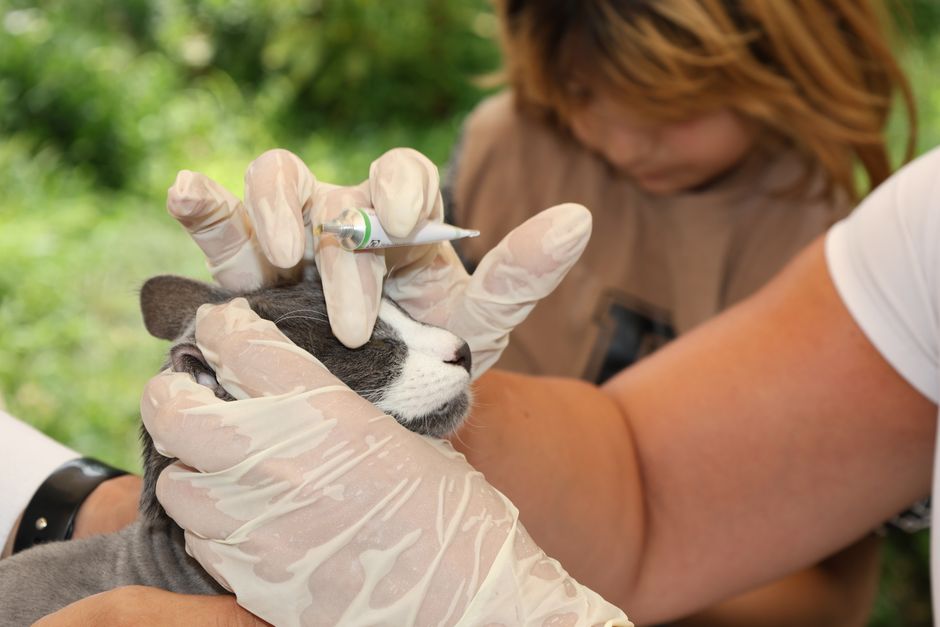
Once a yeast infection is diagnosed, treatment options involve medicated ear drops or ointments specifically designed to target yeast organisms. In some cases, oral antifungal medications may be prescribed if the infection is severe or recurrent. Our veterinarians will also clean your cat’s ears gently and remove excess debris or discharge, which helps the medication reach its target more effectively.
If your cat’s ear yeast infection is linked to an underlying condition, such as allergies, our team may recommend allergy testing services to identify and manage the root cause. Managing allergies, whether through dietary changes or environmental modifications, can significantly reduce the frequency of ear infections. For cats with recurring issues, ongoing support through our primary veterinary care may be beneficial to monitor for early signs and prevent flare-ups.
Preventing Ear Yeast Infections in Cats
Prevention plays a key role in keeping your cat’s ears healthy. Simple steps at home can make a big difference. Regularly check your cat’s ears for signs of redness, odor, or discharge, especially if your cat is prone to allergies or skin sensitivities. Gently wipe the outer ear with a veterinarian-approved ear cleaner if your veterinarian recommends it; avoid inserting anything deep into the ear canal to prevent injury.
Keep your cat’s environment clean and dry, as moisture encourages yeast growth. After bathing your cat or if they get caught in the rain, be sure to dry their ears thoroughly. Managing any underlying health concerns, such as allergies or skin conditions, can also help prevent future infections. Work closely with your veterinary team to identify triggers and implement appropriate preventive measures.
When to Seek Veterinary Care for Cat Ear Issues
Ear infections in cats can escalate quickly and may lead to more serious complications if not addressed promptly. You should schedule an appointment with your veterinarian if you notice persistent scratching, head shaking, foul odor, redness, swelling, or discharge from the ears. If your cat seems to be in pain, loses balance, or becomes unusually irritable, these are also signs that professional help is needed.
Delaying care can result in chronic infections, damage to the ear canal, or even hearing loss. Our veterinary team at Express Vets Buford is here to provide comprehensive evaluation and treatment for ear problems, including sick pet visits to address urgent concerns. Never attempt to treat ear infections at home without guidance, as improper care can make the problem worse.
Supporting Your Cat’s Comfort and Health
Your cat’s comfort and wellbeing are always our top priority. If you suspect a cat yeast infection ear is causing distress for your feline, don’t wait to seek help. Our compassionate veterinary team is ready to answer your questions, provide a thorough diagnosis, and create a personalized treatment and prevention plan. We encourage ongoing wellness care and routine check-ups to catch issues early and keep your cat feeling their best.
Remember, when you are searching for a vet near me who truly understands feline health issues, Express Vets Buford stands out as a trusted resource for cats in Buford and surrounding communities. To schedule an appointment or discuss your concerns, call us at (470) 326-5220 or visit us at 4108 Hamilton Mill Road, Suite 310, Buford, GA 30519. If you have questions about ongoing ear issues or need to address a suspected cat yeast infection ear, our doors are open to help your cat get back to enjoying a comfortable, itch-free life.
For more information on skin and ear health, explore our dermatology services or ask about allergy support during your next visit. Your cat’s health starts with attentive, expert care—and we are here to help every step of the way.