Cat Ear Yeast Infections: Symptoms, Causes, and Treatment Options
Cat Ear Yeast Infections: Symptoms, Causes, and Treatment Options
If you have ever noticed your cat constantly scratching at their ears, shaking their head, or acting uncomfortable, you are not alone. Ear problems are a frequent concern for cat owners in Buford and surrounding communities, and one of the most common issues is a yeast infection inside the ear. At Express Vets Buford, we understand how distressing it can be to see your cat in discomfort, especially when you are not sure what is causing it. This blog will guide you through everything you need to know about +ear cat +yeast infections: from recognizing early symptoms and understanding the causes, to exploring effective treatment options and prevention strategies tailored for cats living in Buford’s climate. If you are concerned your cat may be experiencing ear discomfort, our veterinary team at 4108 Hamilton Mill Road, Suite 310, Buford, GA 30519 is here to help with comprehensive care and local expertise.
Recognizing the Signs: How to Tell if Your Cat Has an Ear Yeast Infection
Spotting an +ear cat +yeast infection early can make a significant difference in your pet’s comfort and recovery time. Cats are masters at hiding pain, so it is important to be aware of subtle behavioral changes and physical symptoms. Key signs of a possible ear yeast infection include persistent scratching at one or both ears, frequent head shaking, and holding the head at a slight tilt. You might also notice a dark brown or yellowish discharge inside the ear, which can sometimes have a distinct, musty odor. Redness or swelling of the ear canal, as well as scabs or hair loss around the ear from scratching, are other warning indicators. In some cases, cats may become more irritable or withdrawn, avoid being touched on the head, or even experience a decrease in appetite due to discomfort.
If you notice any of these signs, it is important to remember that ear yeast infections can look similar to other ear issues like mites or bacterial infections. Only a veterinary professional can accurately diagnose the problem. At Express Vets Buford, our team uses specialized equipment to examine your cat’s ears safely and comfortably during a wellness examination or sick visit.
What Causes Ear Yeast Infections in Cats?
Ear yeast infections in cats are primarily caused by an overgrowth of a type of fungus called Malassezia. While small amounts of yeast live naturally on your cat’s skin and in their ears, certain conditions can cause this yeast to multiply and trigger infection. Common contributing factors include moisture trapped in the ear canal (especially after baths or in humid climates like Buford), underlying allergies, excess wax buildup, or previous ear infections that have not fully resolved.
Cats with allergies—whether to pollen, food, or environmental triggers—are especially prone to yeast overgrowth. When an allergy causes inflammation in the ear canal, it creates an environment where yeast can thrive. Additionally, cats with weakened immune systems, such as seniors or those with chronic illnesses, are at greater risk. Even the shape of your cat’s ears can play a role; breeds with folded or hairy ears tend to be more susceptible since their ear canals hold in more moisture and debris. Understanding these underlying causes is essential for both effective treatment and long-term prevention.
Professional Treatment Options for Cat Ear Yeast Infections
When you bring your cat to Express Vets Buford for an +ear cat +yeast problem, our veterinarians start with a thorough ear exam and may take a sample of the discharge for microscopic analysis. This helps us confirm whether yeast is the culprit, rule out ear mites, and determine if there are any co-existing bacterial infections. Treatment approaches for cat ear yeast infections involve a combination of targeted ear cleaning and prescription antifungal medications.
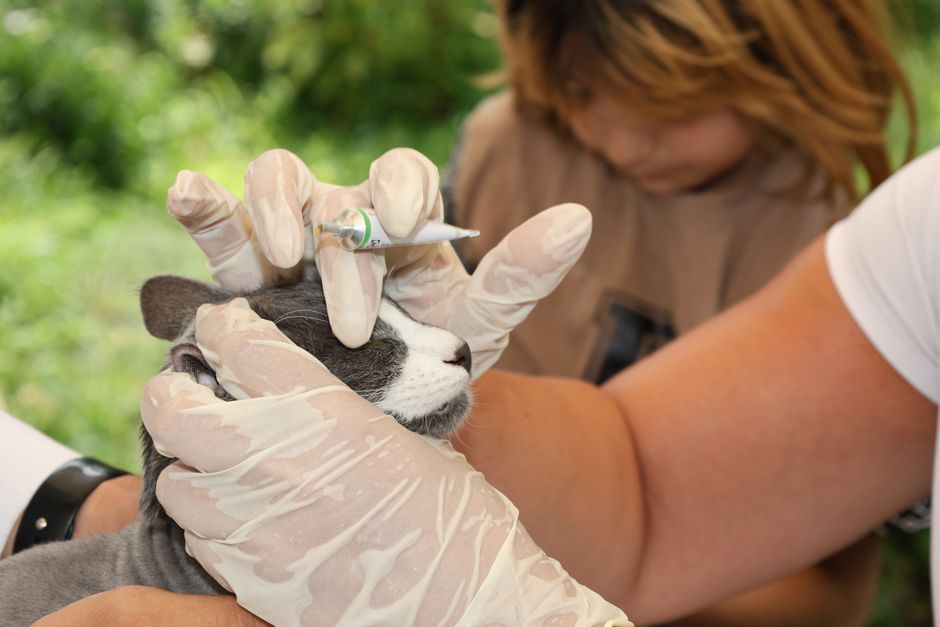
The first step is often a gentle, professional cleaning of your cat’s ear canal to remove debris, wax, and any infectious material. Our veterinary team uses safe, cat-friendly solutions and techniques to minimize stress and discomfort. After cleaning, antifungal ear drops or ointments are applied; these medications are specifically formulated to eliminate yeast and reduce inflammation. In some cases, oral medications may be recommended if the infection is severe or recurring.
If underlying allergies are suspected, addressing these is crucial to prevent future outbreaks. Our veterinarians may recommend allergy testing services to identify specific triggers and develop a personalized management plan for your cat. Treating concurrent skin or allergy issues through dermatology services for pets can further support long-term ear health.
Home Care and Prevention: Keeping Your Cat’s Ears Healthy
While professional treatment is necessary to resolve an active +ear cat +yeast infection, there are several steps you can take at home to help support your cat’s ear health and reduce the risk of recurrence. Routine ear checks at home can be extremely beneficial; look for signs of redness, discharge, or unusual odor, and contact your veterinarian if you notice anything concerning. Avoid using cotton swabs inside your cat’s ear canal, as this can push debris deeper or cause injury.
Keeping your cat’s ears dry is especially important, particularly in humid seasons common to Buford. After giving your cat a bath or if your cat is exposed to rain, gently dry their ears with a soft cloth. Managing allergies by minimizing exposure to known triggers and using recommended allergy medications can also help. Regular wellness exams with your veterinarian allow for early detection of ear and skin problems before they become serious.
Feeding a balanced diet and maintaining a clean living environment further supports your cat’s immune system, making them less vulnerable to infections. If your cat is prone to ear issues, your veterinarian may suggest periodic ear cleanings at home with a safe, vet-approved cleanser—never use over-the-counter products or home remedies without professional guidance, as some substances can be harmful to cats.
When Should You Seek Veterinary Care for Your Cat’s Ears?
Timely veterinary intervention is key when it comes to +ear cat +yeast infections. You should schedule an appointment with our team at Express Vets Buford if your cat is persistently scratching their ears, shaking their head, or showing any of the symptoms described earlier. Immediate veterinary care is especially important if your cat’s ear appears very red or swollen, there is a large amount of discharge, or your cat is experiencing pain or changes in behavior. Chronic or untreated ear infections can lead to more serious complications, including hearing loss or deeper skin infections.
If your cat has a history of allergies, frequent ear infections, or other chronic health issues, regular checkups can help catch problems early. Our primary veterinary care services are designed to support your pet’s ongoing health and address issues before they escalate. Always consult a veterinarian before attempting to treat your cat’s ears at home, and never use medications intended for other animals or people.
Supporting Your Cat’s Ear Health in Buford and Beyond
Ear yeast infections can be uncomfortable and frustrating for both cats and their owners, but with prompt recognition and compassionate veterinary care, most cats recover quickly and comfortably. The humid climate in Buford can make ear problems more common, so staying vigilant and working closely with our veterinary professionals can make all the difference.
If you are searching for a "vet near me" who understands the unique needs of cats in Buford and surrounding communities, Express Vets Buford is here to help. Our experienced team provides thorough ear examinations, advanced dermatology services for pets, and personalized treatment plans for +ear cat +yeast infections and other common feline health concerns. To schedule an appointment or speak with our veterinary professionals about your cat’s ear health, call us at (470) 326-5220 or visit us at 4108 Hamilton Mill Road, Suite 310, Buford, GA 30519. Your cat’s comfort and wellbeing are always our top priorities.
This blog is intended for informational purposes only and should not replace veterinary advice. If you have concerns about your cat’s health, we recommend scheduling a consultation with your veterinarian for an accurate diagnosis and tailored treatment plan.